Featured

What is Mental Health?

Why it is NOT A JOKE.
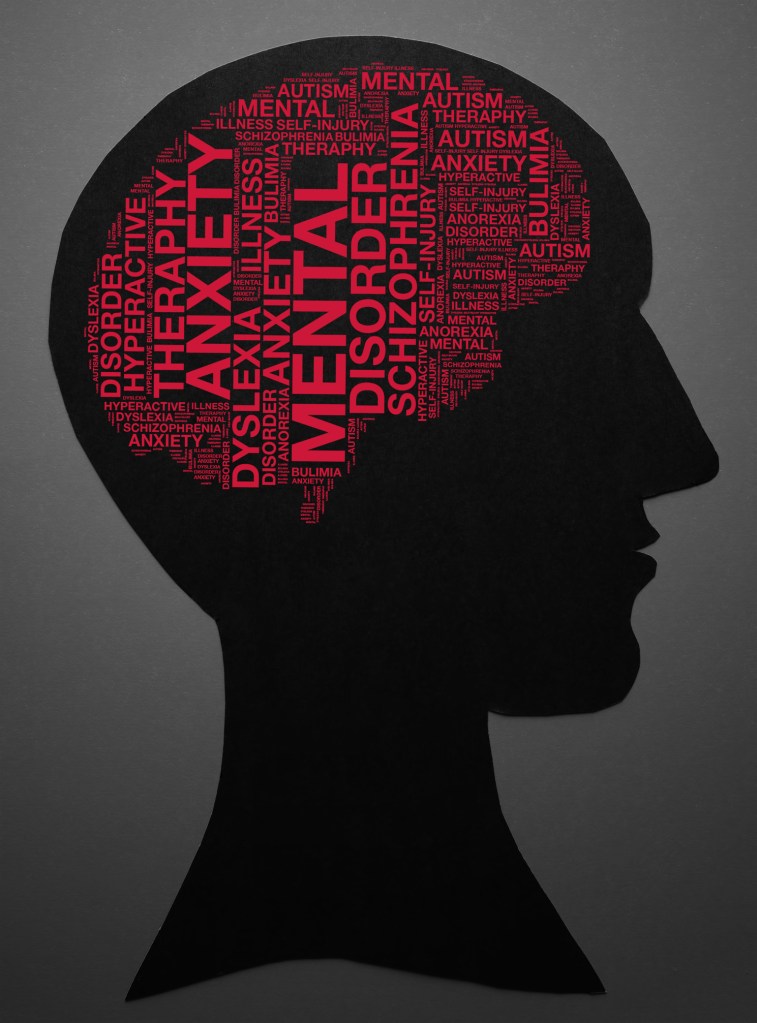
“You do not know what it’s like. Nobody could comprehend the horror of being trapped inside your own head.”

Mental health includes our emotional, psychological, and social well-being. It affects how we think, feel, and act. It also helps determine how we handle stress, relate to others, and make choices. Mental health is important at every stage of life, from childhood and adolescence through adulthood.

We all have the potential to develop Mental Health problems. Age, sex, gender, status, all are irrelevant. A person can even develop more than one mental health related disorder.

COMMON MENTAL HEALTH DISORDERS (and their respective definition) INCLUDE:

ANXIETY:

The individual has a severe fear or anxiety, which is linked to certain objects or situations. Most people with an anxiety disorder will try to avoid exposure to whatever triggers their anxiety.

Examples of anxiety disorders include:

Panic disorder – the person experiences sudden paralyzing terror or a sense of imminent disaster.
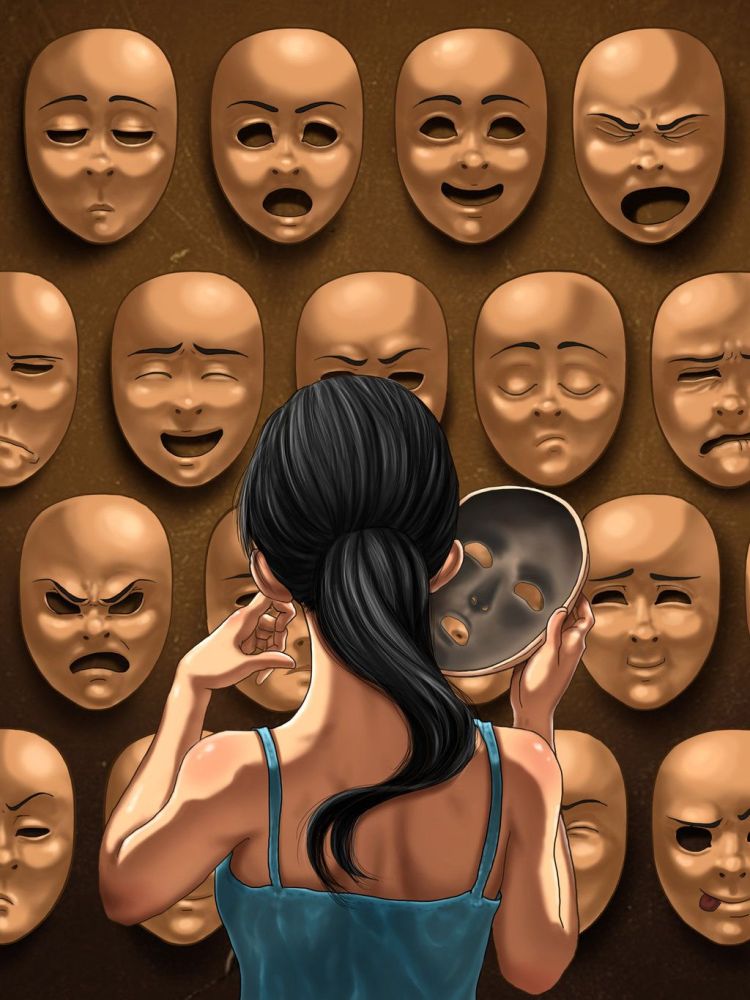
Dissociative identity disorder (DID)

Dissociative identity disorder is a severe form of dissociation, a mental process which produces a lack of connection in a person’s thoughts, memories, feelings, actions, or sense of identity. Dissociative identity disorder is thought to stem from a combination of factors that may include trauma experienced by the person with the disorder. The dissociative aspect is thought to be a coping mechanism — the person literally shuts off or dissociates himself from a situation or experience that’s too violent, traumatic, or painful to assimilate with his conscious self.
Dissociation also happens as a form of coping mechanism for those who lack a solid support system.

Depression

The individual is no longer interested in and does not enjoy activities and events that they previously liked. There are extreme or prolonged periods of sadness that oftentimes suddenly springs out of the blue.

Introduce Yourself (Example Post)

This is an example post, originally published as part of Blogging University. Enroll in one of our ten programs, and start your blog right.

You’re going to publish a post today. Don’t worry about how your blog looks. Don’t worry if you haven’t given it a name yet, or you’re feeling overwhelmed. Just click the “New Post” button, and tell us why you’re here.

Why do this?

  • Because it gives new readers context. What are you about? Why should they read your blog?
  • Because it will help you focus you own ideas about your blog and what you’d like to do with it.

The post can be short or long, a personal intro to your life or a bloggy mission statement, a manifesto for the future or a simple outline of your the types of things you hope to publish.

To help you get started, here are a few questions:

  • Why are you blogging publicly, rather than keeping a personal journal?
  • What topics do you think you’ll write about?
  • Who would you love to connect with via your blog?
  • If you blog successfully throughout the next year, what would you hope to have accomplished?

You’re not locked into any of this; one of the wonderful things about blogs is how they constantly evolve as we learn, grow, and interact with one another — but it’s good to know where and why you started, and articulating your goals may just give you a few other post ideas.

Can’t think how to get started? Just write the first thing that pops into your head. Anne Lamott, author of a book on writing we love, says that you need to give yourself permission to write a “crappy first draft”. Anne makes a great point — just start writing, and worry about editing it later.

When you’re ready to publish, give your post three to five tags that describe your blog’s focus — writing, photography, fiction, parenting, food, cars, movies, sports, whatever. These tags will help others who care about your topics find you in the Reader. Make sure one of the tags is “zerotohero,” so other new bloggers can find you, too.

Design a site like this with WordPress.com
Get started